
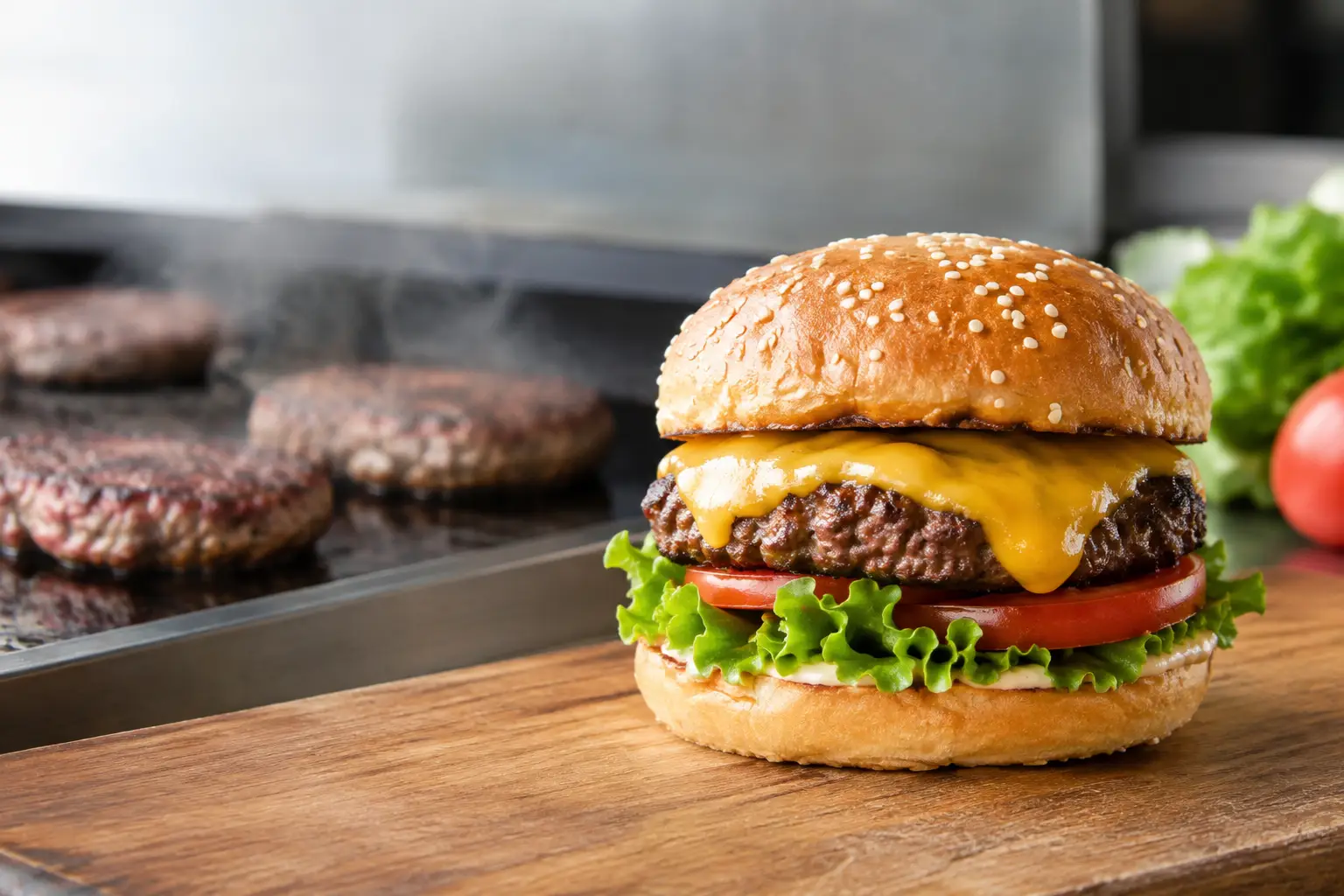
That first bite tells a story: a hot, juicy patty, cheese still melting into the edges, a toasted bun holding everything together, and toppings that have not gone sad and soggy. But are burgers cooked to order every time a menu says “fresh”? Not always. The phrase can mean different things from one restaurant to another, and knowing the difference helps you order a burger that actually hits the craving.
What “Cooked to Order” Actually Means
At its best, cooked to order means your burger begins its cooking journey after you place the order. The patty goes onto the grill or flat-top fresh, gets that sizzling crust, and is assembled close to the moment it is served. It is not a burger that has been sitting under a heat lamp waiting for someone to choose it.
That timing matters. A burger is at its best in a short, glorious window: the patty is hot, the cheese is glossy, the bun is warm, and the crisp toppings still have their crunch. Give it too much time in a holding cabinet, and even good ingredients can lose their magic. The juices keep moving, the bun absorbs steam, and those crispy edges soften.
Still, “made to order” does not always mean every single ingredient is prepared from scratch after you pay. Restaurants may prep lettuce, slice onions, portion sauces, shape patties, or toast buns in advance. That is normal kitchen work. The key question is whether the burger itself is cooked and finished for your order rather than reheated from a batch.
Why Fresh Cooking Changes the Burger
A fresh burger is not just a marketing line. It changes texture, temperature, and flavor in ways you can taste.
When a beef patty meets a properly hot grill, the outside develops deep browned flavor and a slightly crisp edge. Smash burgers are especially built for this moment. Pressing the patty onto the flat-top creates more contact with the heat, which means more savory, caramelized crust. That is the part that makes a simple burger taste seriously addictive.
Fresh cooking also gives the cheese a real job to do. Instead of sitting cold or being melted hours earlier, it lands on a hot patty and turns creamy right before assembly. Add a soft toasted bun, crunchy pickles, onions, sauce, and a little heat, and every layer arrives with its own texture still intact.
There is a trade-off, of course: fresh food takes a little more time than pulling a finished burger from a warming tray. During a busy lunch rush, a made-to-order burger may not be instant. But a few extra minutes can mean the difference between “fine” and “I need that again tomorrow.”
Are Burgers Cooked to Order at Every Restaurant?
No. Some restaurants cook patties in batches ahead of peak periods, then hold them warm so orders can move faster. Others may partially cook burgers in advance and finish them later. This can be useful for speed, especially at high-volume locations, but it is not the same as cooking each patty from start to finish after an order comes in.
Some places use the words “fresh,” “grilled,” or “hot” without explaining their process. A burger can be freshly assembled with toppings and still have a patty that was cooked earlier. That does not automatically make it bad, but it does affect the experience. The longer a patty waits, the more it can lose its crust, moisture, and just-off-the-grill flavor.
The clearest sign is a restaurant that is open about the process. If the kitchen cooks its patties as orders arrive, builds burgers right away, and uses ingredients that are kept and handled well, that is a strong signal you are getting the real deal.
Fresh Patties Matter Too
Cooking timing is one part of the story. The patty itself matters just as much.
A never-frozen beef patty can offer a more tender bite and cleaner beef flavor when it is stored, seasoned, and cooked properly. Fresh beef also responds beautifully to a hot grill, especially when the goal is a juicy center and a deeply seared outside. Frozen patties can still be cooked safely and taste good, but they may release more moisture as they cook, making it harder to achieve that bold, crusty finish.
Thickness changes the result too. A thin smash patty cooks quickly and delivers lots of crispy edge. A thicker Angus-style patty takes longer, holds a different kind of juiciness, and can have a more substantial, steak-like bite. Neither is automatically better. It depends whether you are craving crispy, cheesy smash-burger chaos or a bigger, beefier burger moment.
What Made-to-Order Does Not Guarantee
A burger being cooked to order does not guarantee that it will be perfect. The grill still needs to be hot enough. The patty needs good seasoning. The bun should be toasted, not dried out. The toppings need balance, because a mountain of sauce can bury even the best beef.
It also does not always mean you can request any level of doneness. Many fast-casual restaurants cook burgers to a standard internal temperature for food safety, consistency, and speed. That is especially common with ground beef, where the safe cooking approach is different from cooking a whole steak.
For diners, the smart move is to focus on what the restaurant does best. If a spot is known for smash burgers, order it the way the kitchen designed it: hot, seared, cheesy, and loaded. If it specializes in thick premium patties, ask how they are typically cooked and what toppings pair well. A good burger is not only about customization. It is about choosing a style with confidence.
How to Spot a Burger Worth Waiting For
You do not need to stand at the counter interrogating the grill crew. A few easy clues usually tell you whether a place takes fresh burgers seriously.
Look for a menu that talks clearly about fresh patties, grilled-to-order preparation, or never-frozen beef. Pay attention to burger photos too. A real cooked-to-order burger usually looks a little gloriously imperfect: melted cheese, a seared patty edge, sauce in the right places, and a bun that still has structure.
The wait time can be a clue, but not a guarantee. If your burger arrives suspiciously fast during a packed rush, it may have been held ready. If it takes a few minutes and arrives hot enough that the cheese is still pulling apart, that is usually a better sign.
Reviews can help, especially when people mention words like “fresh,” “hot,” “juicy,” “crispy edges,” or “made when ordered.” Consistency matters more than one perfect photo. The best neighborhood burger spots deliver that same satisfying bite on a quick solo lunch, a family takeaway night, or a late-night order with loaded fries on the side.
The Street Delights Approach
At Street Delights, burgers are prepared made to order with selected ingredients and never-frozen beef patties. The goal is simple: get that patty sizzling, melt the cheese while it is hot, stack the toppings generously, and send it out ready for a real craving – not a long wait under a heat lamp.
That approach is built for the details people notice. The juicy center. The smoky sear. The toasted bun. The crunchy pickles cutting through the richness. And yes, the loaded fries that suddenly become non-negotiable once they reach the table.
Fresh Is Worth the Few Extra Minutes
The next time you order a burger, do not just ask whether it is fresh. Ask what fresh means at that restaurant. Is the patty cooked after the order? Is it held hot? Is the burger assembled right before it reaches you?
A burger made at the right moment tastes like it was meant for that moment. Hot, juicy, cheesy, messy in the best way, and absolutely worth getting napkins for.
Leave a Reply